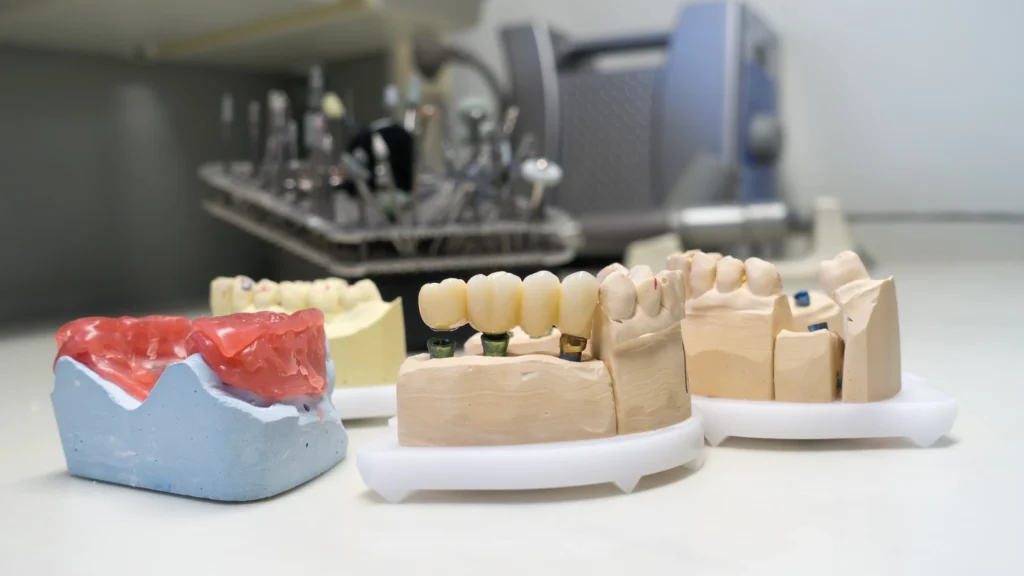
Don’t let the strength of zirconia crowns fool you. Just because they can withstand heavy biting pressures doesn’t mean they are suitable for every single tooth.
The benefits of zirconia crowns over traditional porcelain-fused-to-metal restorations are easy to see. It can withstand heavy biting pressures, offers a metal-free design, provides good biocompatibility, is highly stain-resistant, and can be adapted for many restorative needs.
Understanding specific zirconia crown problems and the underlying disadvantages of zirconia crowns is a little more complex.
Do certain types of zirconia have aesthetic limitations? Can zirconia wear down opposing teeth? Will they chip or break like other dental ceramics?
Let’s look at these disadvantages more closely.
What Are the Main Disadvantages of Zirconia Crowns?
In general, the most significant drawbacks to zirconia dental crowns include:
- Aesthetic limitations for some types of zirconia crowns
- Potential wear to opposing natural teeth if the crown surface becomes rough
- Chipping of porcelain layer on layered zirconia crowns
- More difficulty adjusting/polishing the material
- Difficulties with repair when major damage occurs
- More difficulty removing the crown if it needs to be replaced
- Need to remove more natural tooth structure through extensive tooth reduction when preparing the tooth for the crown
- Potential oral health problems with the tooth underneath the crown, despite the strength of the zirconia material
These reasons don’t mean you should avoid zirconia. What they do mean is you should know exactly what type of restoration your dentist plans to place.
Understanding Different Zirconia Crown Types
Notice how specific some of the disadvantages are above. Porcelain can chip off layered zirconia crowns. Crowns made from zirconia alone can pose difficulties when adjustments are needed.
That is because not all zirconia crowns are created equal.
Monolithic Zirconia vs. Layered Zirconia
Monolithic ZirconiaLayered ZirconiaA monolithic zirconia crown is built primarily as one solid piece of zirconia.Layered zirconia is built using a zirconia base with additional ceramic or feldspathic porcelain added to create a better looking restoration.Since there is no additional layer of porcelain on the crown, you do not have veneering porcelain to chip away from the zirconia base.That added layer can greatly enhance the depth, shade variation and overall translucency.This high flexural strength makes porcelain free zirconia, a zirconium dioxide ceramic, very strong and resistant to fracture.It also creates a potential weak point if the porcelain chips or fractures away from the zirconia.
That is why asking if you are getting zirconia crowns doesn’t provide you with enough information.
Ask if the restoration planned is monolithic vs layered, and why that specific restoration is ideal for the tooth being treated.
Questions to Consider With Any Type of Zirconia Crown
Can Zirconia Crowns Look Natural?
Absolutely. Appearance can be one of the zirconia crowns biggest weaknesses or its strongest advantages. Depends on the type of zirconia you receive.
Enamel isn’t just one flat colour. Light refracts through different layers of your tooth and is reflected back through enamel and dentine.
Some zirconia materials are extremely opaque and will not transmit light in the same way as glass ceramics.
On a molar this may not matter. On an anterior tooth next to your natural teeth small differences in translucency, brightness, or colour become much more obvious.
Newer high translucent zirconia materials come in different levels of translucency. Dental technicians can also adjust colour and surface properties to help improve aesthetics.
Anterior teeth usually benefit from layered restorations when placing anterior crowns, whereas solid monolithic materials are often preferred for posterior crowns. This allows the dentist or technician additional control over the final appearance of the tooth.
Strength and aesthetics are two different criteria when working with zirconia.
Just because you get the strongest zirconia does not mean its the best-looking restoration for that tooth.
Can Zirconia Crowns Wear Down Opposing Teeth?
Its one of the most common weaknesses listed for zirconia crowns.
Zirconia is one of the hardest dental ceramics available. But just because its hard doesn’t mean it won’t cause wear to the tooth its biting against.
Crown surface is a huge factor. A smooth polished zirconia crown interacts with opposing enamel far differently than one with a rough surface.
Dentists can create this problem during adjustment if the area is not polished smooth when they remove some of the material.
If you have one tiny area of your crown that is rougher than the rest it can cause problems. Every time you chew that one small area will contact the enamel of your opposing tooth.
After thousands or millions of bite cycles that can contribute to extra wear.
Your bite also plays a role. If one specific spot on your zirconia crown constantly contacts your opposite tooth with too much force it concentrates stress on that small area.
Perfecting your bite adjustment and polishing the restoration are just as important to function as they are to aesthetics.
Asking “How will you polish the zirconia after making adjustments?” is a great question.
Can Zirconia Crowns Chip or Break?
Yes. They are strong, but strong doesn’t equal unbreakable.
Even chipping is different between the two types. Since monolithic zirconiawithout any veneering porcelain layer that can separate from the crown.
However just because your zirconia crown doesn’t have a porcelain layer doesn’t make it invincible.
Things that can contribute to fracturing zirconia include severe teeth grinding:
- Thin material coverage
- Damage during adjustment
- Excessive biting forces that are unevenly distributed
- Tooth grinding/clenching
- Poor restoration design
- Trauma
Potential causes of chipping in layered zirconia are a little different. Since there is a layer of porcelain the technician can apply to the crown we need to look at both the porcelain and zirconia.
Yes the zirconia framework could fracture as well. But its much more likely that only the porcelain layer will chip away.
If you read “zirconia chipped”, always find out if they mean the porcelain separated from the crown or if the zirconia fractured.
Are Zirconia Crowns Hard To Adjust?
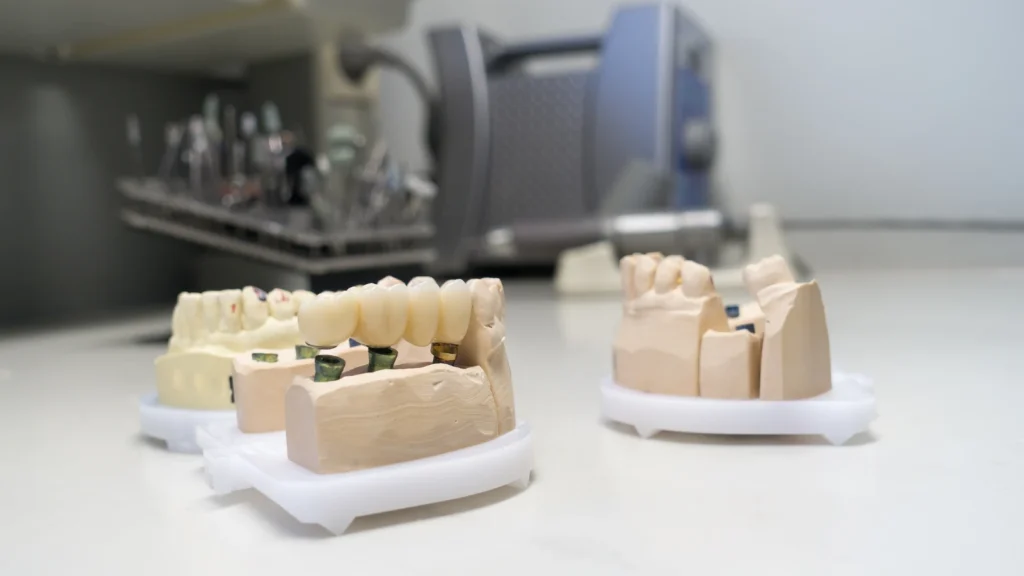
Yes zirconia crowns can be more challenging to adjust. This is one of the trade offs for its strength.
They need special burs to shape the material if your dentist makes adjustments. They also have to be polished carefully after adjustment to prevent extra wear.
Adjustments may be necessary due to:
- Contacts in the bite
- Shape of the crown
- Contact with adjacent teeth
- Fit of the restoration
- Patient comfort
There is more to adjusting a crown than grinding it down until it feels better. After its adjusted the surface should be properly finished.
Rough surfaces left behind can accelerate wear. Improper adjustments can cause microscopic damage to the ceramic.
If multiple teeth need crowns they will all need to be balanced in the bite. Don’t be afraid to ask how your dentist plans on adjusting the crown and what they will do to polish it.
Can You Repair a Damaged Zirconia Crown?
In some cases yes. Small issues can be repaired without needing to replace the crown.
Due to the strength of zirconia its not always easy to repair. BONDING to zirconia requires surface treatment different from glass based ceramics.
Its sometimes possible to repair small defects with composite resin. Larger fractures or unacceptable changes to the shape of the crown may require it to be replaced.
We covered how layered zirconia crowns have two materials. The same applies when trying to repair damaged zirconia.
Something might be wrong with the veneering porcelain instead of (or as well as) the zirconia framework.
Can that restoration be repaired? Again it depends on:
- Size and location of damage
- Bite forces acting on the tooth
- What condition the rest of the crown is in
- Expectations of the patient
Which leads us to a question international patients should consider.
Lets say you get crowns in Turkey and need to have one replaced when you get back to the UK. Its not only a matter of “can the crown be repaired?”. Will YOU be able to get to the dentist who placed the crown for the repair? Will you have to travel again?
Is Zirconia Crowns Hard To Remove?
Much like adjustment zirconia can take more time to remove. Removing a crown requires your dentist to literally cut through the existing restoration.
Whether due to:
- Trauma
- Damage to the crown
- It doesn’t fit properly
- Decay under the crown
- Endodontic or root canal treatment
- Changing the shade
- Issues with the bite
Its hard. Zirconia is extremely hard.
Not impossible your dentist cannot remove it. But enough to make removal a potential disadvantage if you ever need access to the tooth.
Can You Get Sensitivity With Zirconia Crowns?
Some patients do see increased sensitivity after getting crowns. Saying zirconia crowns give you tooth sensitivity is inaccurate.
Tooth preparation is one reason patients notice increased sensitivity. As is the condition of your teeth BEFORE receiving treatment.
Does your crown feel high when you bite down? Does it get more painful instead of feeling better?
If you answer yes to either of these questions see your dentist. Make sure its not a problem with the crown.
We mentioned sensitivity is not a DIRECT result of having zirconia crowns. But there can be indirect relationships based on:
- Cementation
- Preparation of your tooth
- Bite pressure applied to the crown
Wearing a temporary crown (short term restoration) can cause inflammation as your gums adjust to the crown. Its not so much zirconia thats causing problems but HOW your dentist works with the material.
Can You Get Zirconia Crowns On Front Teeth?
Yes you can have zirconia crowns on your front teeth.
Does everyone with a crown on a front tooth need zirconia? Not necessarily.
There is far more emphasis on how a restoration looks when its visible all the time. We covered how layered zirconia can provide greater control over the appearance of the crown.
Natural teeth give off subtle shadows and color variations. Since zirconia is a man made material dental lab technicians must replicate that digitally using CAD/CAM technology, often starting from a precise digital scan.
Your dentist may need to pay special attention to:
- Translucency
- Depth
- Internal and external shading
- Surface texture
- Overall tooth shape
- Gum line
- Thickness of your restoration
- Color of your prepared tooth.
- Shade of surrounding teeth/natural teeth.
That being said, theres also reasons you might opt for something other than zirconia.
Some patients might do better with ultra translucent ceramics. Others might NEED zirconia due to their existing tooth condition.
Ask yourself: Why are you getting zirconia crowns on your front teeth? What makes zirconia the best material for those teeth?
Do You Want Zirconia Crowns On Back Teeth?
Its a similar concept to anterior teeth, but with more emphasis on function.
Back teeth take heavier forces. They also typically aren’t visible when you smile.
Due to the importance of strength many dentists will opt for monolithic zirconia when crowning molars.
But that doesn’t mean your bite isn’t just as important. If you place too much force on one specific area of your crown it WILL cause problems.
Whether that shows up in your crown, the opposing tooth, the cement or your natural tooth.
Just because its strong doesn’t give you permission to bite down harder on that tooth.
Is Zirconia Good If You Grind Your Teeth?
Bruxism doesn’t mean you should avoid zirconia. Patients who grind their teeth or clench place much higher forces on their teeth.
Did you know your dentist may factor in all these things when you get crowns?
- Thickness of the crown
- Specific design of the restoration
- Contacts in your bite
- Shape and condition of opposing teeth
- How many teeth require crowns
- Night guards to protect your teeth (and new crowns) while you sleep.
Now can you get zirconia crowns if you grind? Of course! But please dont assume its the best material for your teeth because its strong.
Why Zirconia Might Not Be Right For Every Tooth
Porcelain crowns, gold crowns, or traditional PFM crowns might be recommended over zirconia if:
- Superior translucency is required
- The restoration needs to match surrounding teeth flawlessly
- Your dentist prefers a different bonding agent
- Tooth prep requirements influence restoration selection
- Condition of your tooth/bite creates different priorities.
Comparison topics BETWEEN porcelain and zirconia AND Lithium Disilicate ceramics like Emax.
These articles compare zirconia to ALL types of ceramic. We know that isnt always fair. What works best for your front teeth may not work for your molars.
For a wider comparison between different restoration types, our veneers vs crowns guide explains how treatment choice changes depending on the condition of the natural tooth.
Zirconia Crowns: Considerations For Turkish Dental Treatment
Lets say you live in the UK and traveled to Turkey to get dental work done. You received zirconia crowns on 8 teeth.
When you leave Turkey you should know MUCH more than “ oh by the way your teeth have zirconium crowns on them now.”
You should know:
- WHY those teeth required crowns
- What type of crown you received on each tooth (monolithic vs layered)
- What brand of zirconia they used
- How they checked your bite
- What to do if your crown needs adjusted
- What to do if your crown chips or breaks
- Can they repair your crown or does it need to be replaced?
- What documentation you should receive
- When and how you can get this tooth checked if issues arise.
If your treatment plan looks like “ Im going to put zirconium crowns on your 13 teeth.” Run. Dont walk away. Find a new dentist.
Thats 13 teeth for the price of possibly ONE problem. No dentist should ever give that generic of a treatment plan to a patient.
Why did EACH of those teeth need a crown? Should they all receive the same exact restoration? Absolutely not!
Ask questions to ensure YOU know WHY you need each dental procedure.
Patients planning dental tourism in Turkey should also understand what happens if adjustments or further treatment are needed once they return home.
Things to consider before getting zirconia crowns
Still deciding if zirconia is right for you? Before you confirm any appointment ask your dentist the following questions:
- Why does this tooth require a crown?
- Why are YOU recommending zirconia?
- Is my crown layered or monolithic?
- Is strength or appearance more important for this tooth?
- What will this crown be biting against?
- Do I grind or clench my teeth?
- How will you check my bite?
- What if my crown needs adjusting? How will you polish it?
- How much of my natural tooth needs to be removed?
- Could I get a partial veneer instead?
- What if my crown chips or breaks?
- What if my tooth develops decay, requires endodontic treatment, or needs documentation sent to my insurance company?
- How difficult will it be to remove if I need to get this crown replaced?
- What kind of aftercare can I expect when I return to the UK?
Answers won’t always be the same for every tooth. In fact thats the whole point. Match the restoration to the tooth and not the other way around.
Zirconia Crowns Disadvantages: FAQs
Are zirconia crowns bad for your teeth?
No, receiving zirconia crowns is not bad for your teeth, and issues like allergic reactions, metal sensitivities, or metal allergies are eliminated compared to metal options. Issues with enamel wear can occur but are not directly caused by zirconia.
Do zirconia crowns look fake?
They can look fake if you get the wrong type of zirconia, but so can any dental restoration.
Can you choke on zirconia crowns?
No ceramic crown material can securely fix to your teeth will suddenly fall out while you eat. Choking is possible when eating food but thats not limited to teeth with dental restorations.
Can zirconia crowns fall out?
Zirconia crowns can become loose if your dentist doesn’t seat them properly. But receiving zirconia doesn’t make that more or less likely to happen.
Can zirconia crowns chip?
Yes. All crowns have the potential to chip or break.
Can you eat with zirconia crowns?
Yes you can eat normally with zirconia crowns. However normal eating does NOT include chewing ice or using your teeth as tools.
Are zirconia crowns harder to replace?
Its not harder. Its just more time consuming to remove zirconia due to how strong the material is.
Do zirconia crowns really last forever?
No crown lasts forever. However many zirconia crowns can last 15-20 years or longer with proper care and oral hygiene.
Zirconia Crowns Disadvantages: Conclusion
Zirconia crowns offer many advantages because of their incredible strength and durability. But that durability can cause its own unique set of problems.
- Need to remove that crown? Its harder to adjust and remove.
- Does your zirconia feel rough? That can increase wear on opposing teeth.
- Want that ultra sexy Hollywood smile? You may need to get layered zirconia because some materials are too opaque.
- Love how that tooth looks? Get layered zirconia because that porcelain layer can chip.
See the pattern here? Just because zirconia has drawbacks doesn’t mean its the wrong material for your teeth.
But you should know what type of zirconia youre getting and WHY your dentist chose that specific restoration for your teeth.
Don’t just accept “ zirconia is the strongest crown material” as an answer why you need to get a dental crown.
Find out WHY your dentist recommends zirconia and what will happen if you ever need that crown replaced down the road.
Medical Sources
- National Library of Medicine / PMC — The Zirconia Ceramic: Strengths and Weaknesses
https://pmc.ncbi.nlm.nih.gov/articles/PMC4026739/ - National Library of Medicine / PMC — Clinical evidence on wear of opposing enamel associated with zirconia restorations
https://pmc.ncbi.nlm.nih.gov/articles/PMC9323601/ - General Dental Council — Going Abroad for Dental Treatment
https://www.gdc-uk.org/standards-guidance/information-for-patients-public/going-abroad-for-dental-treatment