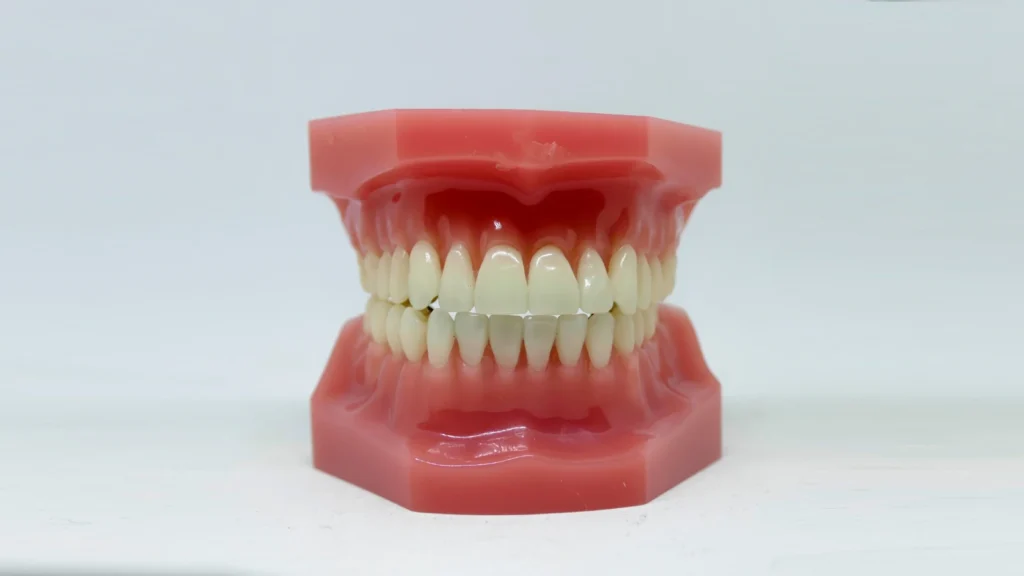
all on 6 dental implants involve placing 6 implants to replace all your teeth in your upper or lower jaw with a fixed set of teeth. It can help you look and feel as though you have natural teeth once again and chew your food with ease.
Unlike removable dentures, this implant supported tooth replacement uses a fixed dental bridge designed to provide a more natural look.
But just because there are more implants in your mouth does not mean its better. Your bone, how your implants can be spread out, occlusion, medical conditions and how the teeth are designed all play a factor in whether you should get the All-on-6 treatment.
There are more things to consider when looking at All-on-6 dental implants in Turkey. You should know what’s included in the package you’re being offered. What diagnostics are carried out, which implants are being used, will you get immediate teeth, your final bridge, aftercare and what happens if something goes wrong.
All-on-6 Dental Implants in Brief
| Question | Answer |
|---|---|
| What does All-on-6 replace? | All of your teeth in your upper or lower arch |
| How many implants? | 6 implants per jaw |
| Will my bridge be fixed? | Most likely yes you will not be able to remove your teeth |
| How many teeth will I have? | Normally you will have between 10-14 teeth |
| Can you get immediate teeth? | Yes if there is enough stability in your implants |
| Do you need a bone graft? | It depends on the bone you have in your jaw. Sometimes no graft is needed |
| Is All-on-6 better than All-on-4? | It depends on your case |
| Do I need to maintain them? | Yes you will need to keep your mouth clean and go for checkups |
What is All-on-6 Dental Implants?
All-on-6 dental implants are a fixed full arch of teeth. There are 6 implants that will be placed in your jaw to support your new bridge of teeth.
The implants work like artificial tooth roots inside your jawbone.
Once the implants are placed your body will grow bone onto the surface of the implant. This is known as osseointegration. You can then be provided with a fixed temporary or final prosthesis.
As the name suggests there are 6 implants supporting your new teeth. But it doesn’t mean you’ll only have 6 new teeth. You will usually have around 10 to 14 teeth on your new bridge.
Another thing to keep in mind is that All-on-6 is not a treatment every dental clinic offers the same way. You could have a different implant brand and type of teeth used on your final bridge.
Who Can Have All-on-6 Dental Implants?
If you meet these criteria you may be able to have All-on-6 dental implants:
- Lost most or all of your teeth in your upper or lower arch
- Have multiple teeth failing that won’t last
- Don’t like wearing traditional dentures
- Want to have teeth that don’t come out of your mouth
- Have enough bone in your jaw to support 6 implants
- Able to keep your mouth clean
- Have medical conditions that are under control
- Know you’ll need to look after your implants and teeth
All-on-6 is an implant solution for extensive tooth loss and missing teeth. It is not normally used as a replacement for a single missing tooth.
You don’t have to be a young person to be eligible. If you’re healthy and have good oral hygiene you could be a better candidate than a younger patient that has bad oral hygiene or a medical condition that isn’t controlled.
You need to have an assessment done to see if you have enough bone and can have All-on-6 implants. Having pictures of your mouth will not give an accurate treatment plan. X-rays and a CT scan may be required to assess the jawbone density and bone structure.
Why Do You Need 6 Implants?
When you have 6 implants it can help the dentist spread your bite force out further in your jaw. You can also get implants in areas where there isn’t enough bone to put them in.
Patients with low bone density or limited bone volume may require a different implant position, bone grafting or another treatment approach.
That doesn’t mean having 6 implants is always better than having 4. It comes down to how the implants and teeth are planned. Where they are placed and what you need.
Studies have shown positive results when placing fixed teeth on top of implants. There isn’t research that proves having 6 implants is better than having 4.
You want to have the right amount of implants for your mouth. Don’t base your treatment off the name of the treatment.
How Much Are All-on-6 Dental Implants?
You will not be able to find a fixed price for All-on-6 dental implants. Every patient is different and will require different treatments.
Here are some factors that will affect your price:
- Are you doing one or two arches
- How many implants and which ones
- Tooth extractions
- Scans
- Sedation
- Bone graft
- Temporary teeth
- Type of final teeth
- Lab
- Accommodation and travel
- Return visits
- Financing options or insurance cover
- Warranty
- If you need any treatment done if an implant fails
Some prices may be cheaper because they only include the implants and a set of temporary teeth. If you want to know if the All-on-6 dental implants UK price is worth it compare what’s included.
You can also compare the quotation with what is normally included in full mouth dental implants in Turkey.
What’s Included in an All-on-6 Package?
Make sure you know what your treatment will involve before you book. You can ask these questions to help you decide:
- How many implants are being placed
- Brand of implant
- What is original on your quote
- Will you be getting 1 or 2 sets of teeth
- How many teeth are on each set
- Will your temporary teeth come out
- What is your temporary teeth made from
- What are your final teeth made from
- Will you have extractions or graft done
- How many trips will you need and how long are you staying
- Who is performing the surgery
- Who will be making your teeth
- What kind of maintenance you’ll need
- What will happen if your implant fails
- Who will pay if you need to travel back
Read up on the warranty as well. Some only cover your implant and not your bridge or lab fees if you have biological issues.
All-on-6 Dental Implants Procedure
The All-on-6 procedure is normally divided into assessment, treatment planning, implant placement, temporary teeth, healing and delivery of the final prosthetic teeth.
1. Assessment
Your dentist will examine your mouth, jaw joints and how your teeth come together. They will also want to know about any medical conditions you have.
Scans will be taken to check the dimensions of your bone. Your dentist may take digital impressions, photos and bite registrations.
2. Plan Treatment
Your dentist will plan what teeth need to be removed and if you need any graft. They will plan where your implants will go.
Your teeth should be planned before placing your implants. You want your implants to support your teeth not the other way around.
3. Placing Your Implants
Teeth that can’t be saved will be removed. Your dentist will then drill holes for your implants and place them into your jaw.
Implant placement is normally carried out under local anesthesia. An oral surgeon or implant dentist may also offer IV sedation when it is suitable for the patient.
Your surgeon can use computer guided surgery or freehand surgery. Using a guide allows your surgeon to follow a preplanned path.
4. Get Temporary Teeth
If your implants are stable enough they can load your implants with a set of temporary teeth. This is called immediate loading.
Immediate loading doesn’t mean your implants are fully healed. Your teeth should not be biting too hard on them while they heal.
If your implants are not stable enough your dentist may suggest a different option.
5. Healing
Depending on your case you will need to wait a few months. This could vary on if you had a graft, what jaw you are in and your overall health.
You should follow the instructions given to you. If you eat too much on your temporary teeth they could cause damage to your implants.
6. Final Teeth
Once your implants are healed your dentist can take new records. Your dentist will want to check that everything feels comfortable, looks good and you can speak and clean under your teeth.
You can have acrylic/composite teeth or zirconia. There are pros and cons to each type of permanent teeth.
Can You Get All-on-6 Teeth in One Day?
You can get your implants and temporary teeth placed in one day. But your treatment will not be finished in one day.
You will still need to allow your implants to heal in your bone. You will probably need to get new replacement teeth in the future.
Be careful if they advertise same day teeth. There are many factors that will affect if you can load your implants on the same day.
Does All-on-6 Hurt?
You will be numb when they place your implants. Some clinics offer sedation for patients that can tolerate it.
You may feel sore after your procedure. It can feel worse the first couple of days and will slowly get better.
If you’re having extractions, a graft or both jaws done you may feel more discomfort. Make sure you know what to do and what medications to take after your treatment.
If your pain increases, you have excessive bleeding, temperature or swelling you should seek help.
Do I Need a Bone Graft?
No not everyone will need a bone graft. If you have adequate bone in your jaw you can spread your 6 implants throughout your jaw.
Sometimes a graft may be needed if you don’t have enough bone to place your implants or get your final teeth to fit correctly. Previous bone loss can also affect what treatment is possible.
If you have a high sinus in your upper jaw or need to avoid certain structures in your lower jaw you may need to have a graft or sinus lift.
Just because the All-on-6 treatment advertises no grafts doesn’t mean you won’t need one.
Pros of All-on-6 Dental Implants
Here are some benefits you can get from All-on-6 dental implants:
- Have a full arch of teeth that don’t fall out
- Smile and speak with confidence
- No need to use denture glue
- More implants to support your teeth
- Replace all your teeth with less implants
- Teeth can mimic your natural teeth, gums and lip support
- Can get temporary teeth on the same day
For people who struggle with removable dentures, an implant supported bridge may feel more stable during speaking and eating.
If your treatment is planned correctly and done by the right people you can enjoy these benefits.
Cons of All-on-6 Dental Implants
Like any dental treatment there can be negative consequences. Here are some you should be aware of:
- Implant failure
- Infections and slow healing
- Peri-implantitis
- Teeth breaking
- Chips and cracks on your teeth
- Food getting stuck
- Not being able to speak normally
- Difficult to clean
- Change in your bite
- Will need to be repaired or replaced
- May need more surgery if an implant fails
If you smoke, have diabetes, had gum disease in the past, grind your teeth and don’t keep your mouth clean you are more likely to have problems.
What If I Lose One Implant?
If your implant fails there are options. Your dentist can remove the implant and let the area heal. Depending on the position of the implant they may be able to place another one.
You may have to get your temporary or final teeth redone.
Having 6 implants doesn’t mean you can ignore one that has failed.
How Long Do All-on-6 Implants Last?
Your implants can last many years. But no one can guarantee that they will last you the rest of your life.
Your implants and components may not all last the same amount of time. You could have your implants still in your bone but need to replace your teeth.
Here are some factors that can affect how long your implants last:
- Keeping your mouth clean
- Visiting your dentist for maintenance
- Smoking
- History of gum disease
- Overall health
- How you bite
- What your teeth are made from
- Position of your implants
- Going to your review appointments
How to Clean All-on-6 Dental Implants
You need to know how to keep your mouth clean. Food and plaque will build up around your implants if you don’t.
Here are some ways to clean your mouth:
- Brush your teeth at least twice a day
- Use a non abrasive toothpaste
- Use super floss
- Interdental brushes
- Water pik
- Dental cleanings and implant maintenance appointments
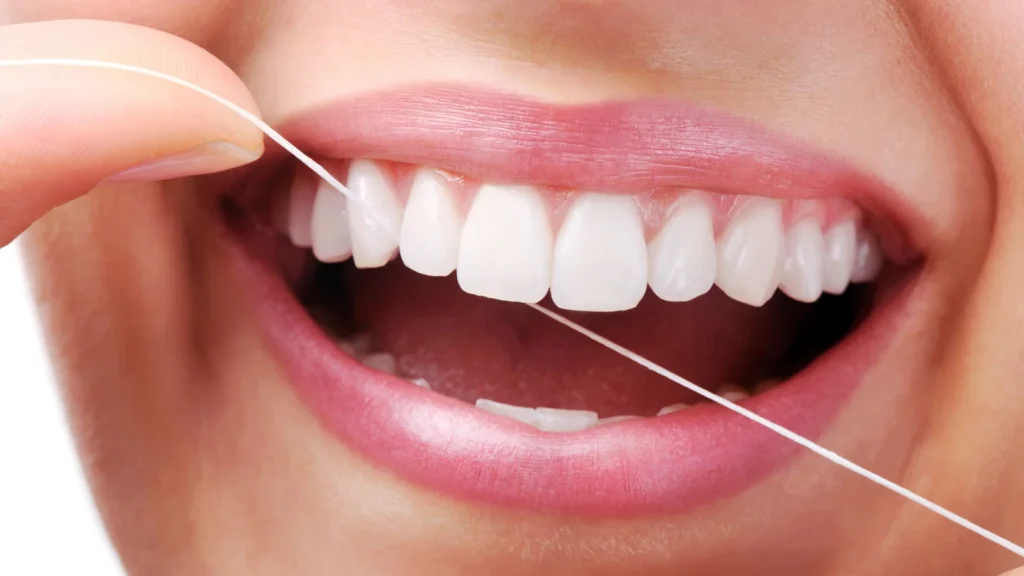
Your dentist should teach you how to clean under your bridge. If you can’t clean under your bridge you will struggle to maintain your oral health.
Traveling Back to the UK
Once you’re back in the UK make sure you have all your records. This includes scans, implant cards, medication and receipts.
You should know who to contact if something goes wrong. Find out if you can have remote follow up and when you need to go back to Turkey.
Also know who you will see for your maintenance in the UK and what the dental practice in Turkey will do if you have a problem.
The GDC recommends that you speak to your dentist if you’re thinking about having dental treatment abroad.
All-on-6 vs All-on-4
All-on-6 dental implants have 6 implants supporting your bridge. All-on-4 dental implants have 4.
Having 6 implants can support your teeth better in some cases. But you need to have enough bone in your jaw to fit 6 implants.
There isn’t enough research to prove that All-on-6 is better than All-on-4. They can both be successful if done correctly.
To find out which is best for you check out our article All-on-4 vs All-on-6.
Are All-on-6 Dental Implants Worth It?
If you have the right treatment and are the right patient yes. You should know what your treatment involves and be happy to pay for the maintenance.
Just because you have more implants doesn’t mean its going to be better for you. Having 4 implants could be better for your mouth than having 6.
You want to find a dentist that can explain why they want to place 6 implants in your mouth. Suitable candidates for All-on-6 should receive an individual assessment before they schedule a consultation.